The International Aid Transparency Initiative (IATI) has published its Annual Report 2025: Shaping the Future of Open Data, alongside the Financial Report 2025.
Together, these reports showcase another significant year of progress for the initiative, highlighting how open, standardised data is strengthening transparency, informing better decisions, and supporting more effective development and humanitarian action worldwide.
Advancing transparency through open development data
By the end of 2025, organisations publishing to IATI had shared more than USD 3.9 trillion in spending data across nearly one million development and humanitarian activities, making IATI one of the world's largest sources of open development and humanitarian finance information.
Highlights from 2025 include:
USD 245 billion in disbursements and expenditure published for 2025, alongside USD 115 billion in forward-looking budgets for 2026.
1,754 organisations publishing IATI data across almost one million activities.
Data available on more than 85,000 humanitarian activities and 165,000 activities linked to the Sustainable Development Goals (SDGs).
IATI data driving better decisions
Throughout 2025, governments, multilateral organisations, researchers and development partners continued to demonstrate how IATI data is supporting better decision-making and improving development effectiveness.
Featured case studies include:
Sierra Leone's Ministry of Finance, which used IATI data to rapidly assess potential funding gaps following changes to international development assistance and inform national budget planning.
The Lowy Institute, which combines IATI data with other international datasets to track almost 170,000 development projects across the Indo-Pacific.
UNESCO's Global Education Monitoring (GEM) Report and Education Cannot Wait, which used IATI data to build the most up-to-date global picture of international education financing.
The UK Foreign, Commonwealth & Development Office (FCDO) and Germany's Federal Ministry for Economic Cooperation and Development (BMZ), which both developed artificial intelligence applications demonstrating how structured IATI data is making development information more searchable, accessible and usable.
Strengthening collaboration across international reporting systems
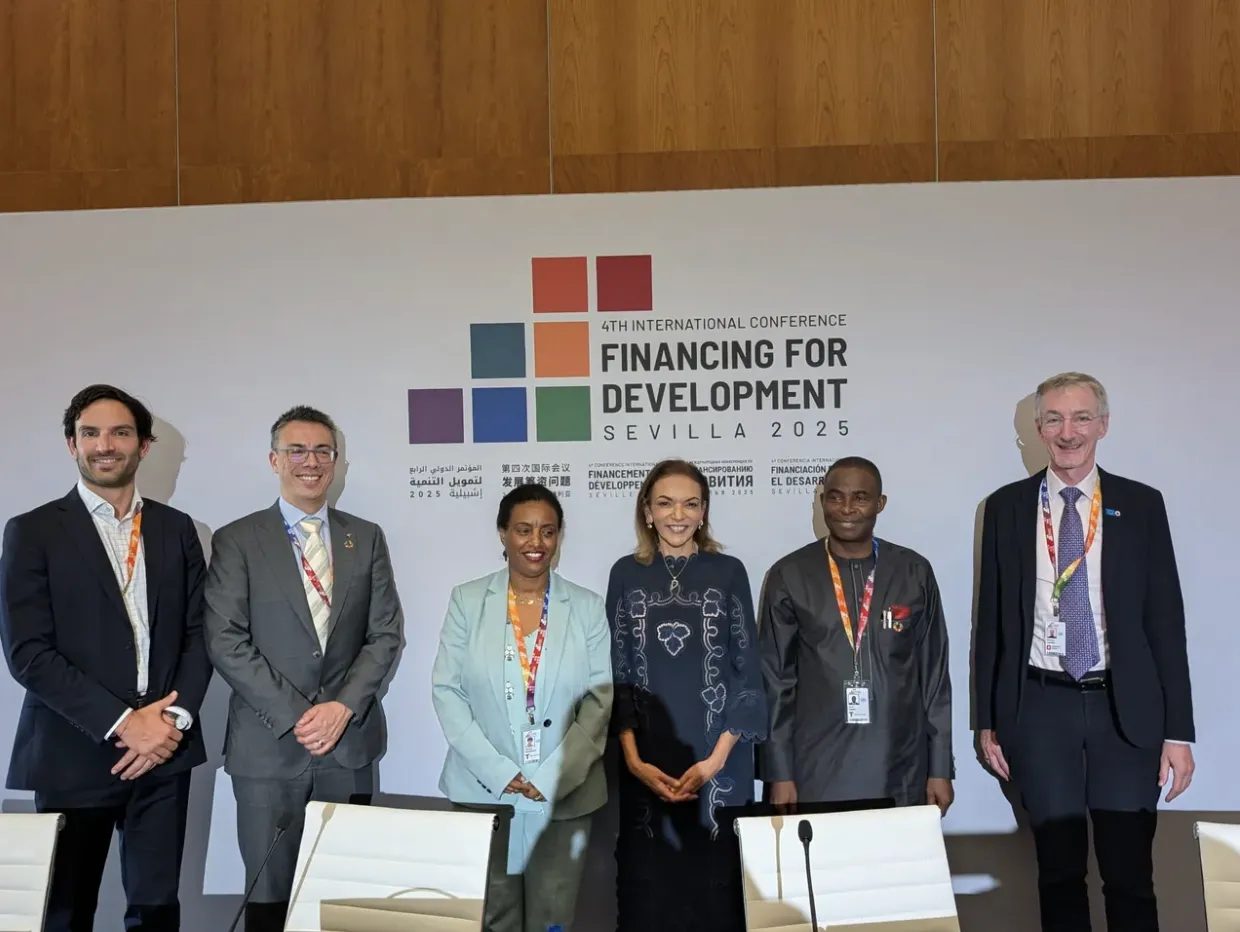
During 2025, IATI strengthen collaboration across the international development data ecosystem. The year saw formal recognition of IATI in the outcome document of the Fourth International Conference on Financing for Development (FfD4), reaffirming its role in promoting transparency in development cooperation.
IATI also expanded collaboration with organisations including the OECD, UN OCHA, and the International Forum on TOSSD to improve interoperability between international reporting systems.
During the year, the OECD Development Co-operation Directorate (DCD) launched a pilot combining OECD and IATI data to examine how subcontracting information can improve transparency around aid delivery, local procurement and aid untying commitments.
Shaping the future of transparency
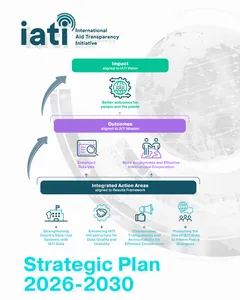
The year also marked an important milestone for the IATI community. At the Members' Assembly and Community Exchange in Nairobi—the initiative's first global gathering in Africa—members approved the IATI Strategic Plan 2026–2030.
Grounded in an independent evaluation and extensive consultation, the IATI Strategic Plan 2026–2030 sets a clear direction for the initiative: moving beyond data publication to position IATI as a driver of transparency, mutual accountability and development impact.
Explore the full reports
The Annual Report 2025 and Financial Report 2025 provide a comprehensive overview of IATI's achievements, impact and financial performance during the year, while setting the direction for the initiative's next phase.