2025 was a busy year for the International Aid Transparency Initiative (IATI). IATI convened high-level dialogues, strengthened engagement on the global stage, and advanced data analysis. Across policy spaces, regions, and data systems, the initiative reinforced how transparency supports real decisions in development and humanitarian cooperation.
Regional engagement strengthened by IATI members
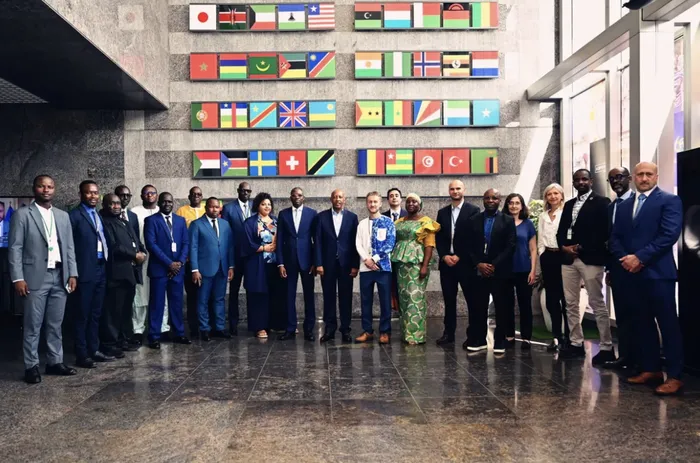
IATI’s regional engagement in 2025 was strengthened through co-hosting by committed IATI members. In March, the European Commission hosted IATI and EU Member States in Brussels for focused discussions on how transparency and open data can better support planning, budgeting, and decision-making in development cooperation. In June, the African Development Bank hosted a regional workshop at its headquarters in Abidjan, bringing together six governments from across Francophone West Africa, development partners, and data practitioners to strengthen the use of development finance data in practice.
African Development Bank and the International Aid Transparency Initiative (IATI) held a workshop in Abidjan, Côte d'Ivoire held between 3 - 6 June 2025
Global recognition at FFD4
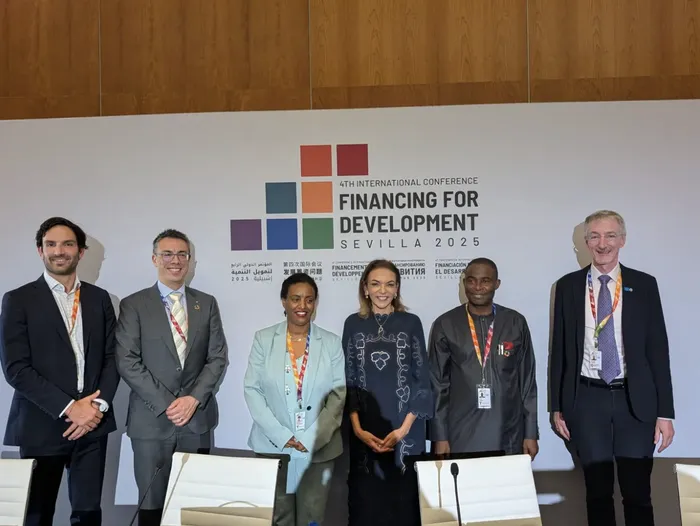
IATI was formally recognised at the Fourth International Conference on Financing for Development (FFD4) in Sevilla held between 30 June - 3 July. At the conference, UN Member States formally adopted the Compromiso de Sevilla for Action which reaffirms the initiative’s role in "fostering transparency of development cooperation" (Para 40d. iv). This recognition reaffirms IATI’s place at the heart of global efforts to make development finance more effective, accountable and accessible.
IATI participated in the Fourth International Conference on Financing for Development (FFD4), held in Sevilla from 30 June to 3 July 2025.
The conference also opened new pathways for collaboration through the Sevilla Platform for Action (SPA). IATI endorsed three SPA voluntary initiatives that will support implementation of the Compromiso de Sevilla for Action. They include Bridging Data Systems for Financing for Development, co-lead by IATI International Forum on TOSSD, OECD, and the UN CEB Secretariat to improve interoperability across development finance reporting systems and reduce reporting burdens.
Driving interoperability across data systems
During the year, additional efforts were delivered to strengthen interoperability. IATI focused on practical collaboration to realise the principle of “publish once, use often”.
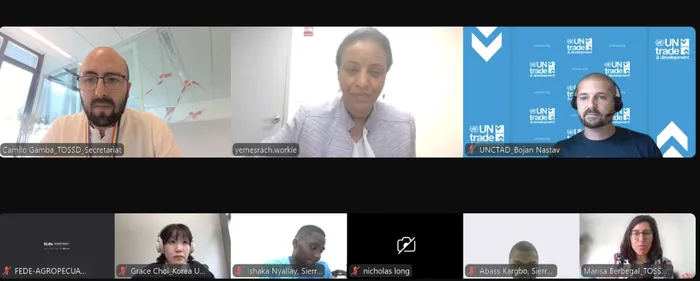
South-South and Triangular Cooperation (SSTC): IATI convened an open SSC Working Group session with UNCTAD and the TOSSD Secretariat. First-time mapping of SSC data published to IATI identified more than 40,000 SSTC related financial transactions.
Humanitarian data interoperability: a proof-of-concept pilot was delivered with Danida (Danish International Development Agency) demonstrated how humanitarian funding data published through IATI can be reused by OCHA’s Financial Tracking Service (FTS), helping reduce duplicate reporting.
The first webinar in the State of the Data: Document Links in AI Area held on 8th July, 2025.
Strengthening analysis through the State of the Data series
In 2025, IATI launched the State of the Data series, bringing together new analysis and community dialogue on how IATI data is published and used. The series looked at three aspects of the data.
Document Links in an AI Era examined nearly half a million documents published alongside IATI activities. Aid In Motion explored how more than 17,000 organisations are referenced across delivery chains through a new interactive analysis. The third State of the Data series analysed timeliness, including how frequently data is updated and how current it is across the IATI publisher network.
Together, the series offered a clearer picture of the depth and potential of data already available through the IATI Standard.
Clear evidence of data use
Across 2025, evidence continued to grow that IATI data is being actively used. UNESCO and Education Cannot Wait drew on IATI data to analyse education financing. The Lowy Institute used IATI data to power its Southeast Asia and Pacific Aid Maps. CAF published its first Transparency Report following Secretariat support for publishing data on more than 150 development activities.
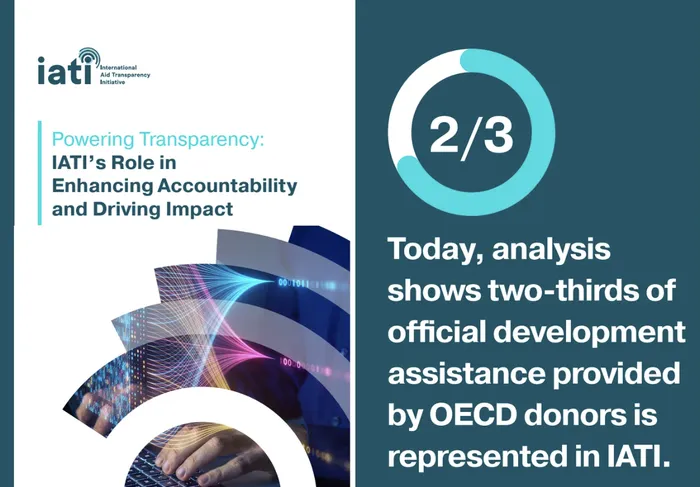
To raise awareness of the strength and coverage of IATI data, the IATI Secretariat released the Powering Transparency report (January 2025), showing that IATI data now covers nearly two-thirds of global official development assistance.
IATI Strategic Plan launched at the Members’ Assembly and Community Exchange
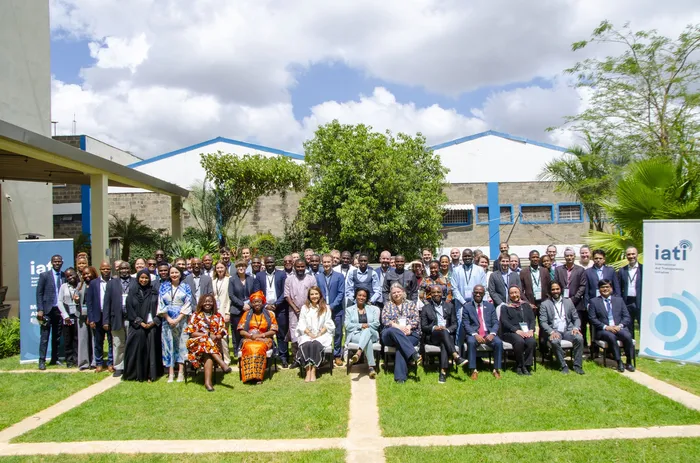
The year concluded with the IATI Members’ Assembly and Community Exchange, held on 26–27 November in Nairobi and online. This marked the first time IATI’s annual meetings were hosted on the African continent.
2025 IATI Members’ Assembly and Community Exchange was held in Nairobi, Kenya from 26 - 27 November 2025.
A central moment of the event was the launch of the IATI Strategic Plan 2026–2030. The Plan sets out IATI’s renewed vision, mission, and priorities for the next five years. It reflects a year-long global consultation with members and the wider development and humanitarian community, and provides a clear framework for IATI’s next phase.
IATI closes 2025 with sincere thanks to its membership, community, and supporters across the development and humanitarian system. Looking ahead, IATI will focus on implementing the Strategic Plan 2026–2030, to strengthen transparency, open data, and effective development cooperation.